
Ammonia Causes & Preventative Measures
by Michelle
Published January 12, 2026
Ammonia is inevitable in poultry or other livestock manure, but preventative measures must be taken to reduce its harmful effects. Ammonia is produced when the nitrogen compounds in manure break down or decompose. The toxicity can damage their respiratory systems, and young chicks are more susceptible than adult birds.

Ammonia Levels Throughout the Year
Ammonia levels in winter or colder temperatures are highest compared to the rest of the year. With less ventilation and more time spent indoors, ammonia gases are trapped, causing concentrations to rise. In warmer temperatures and high humidity, ammonia production increases, but there is more ventilation, allowing the gases to escape.
How To Reduce Ammonia Levels
- Improve Ventilation: Make sure the coop is ventilated year-round. Ventilation high up will allow the ammonia gases to escape. Even in winter, an air-tight coop is not a safe one.
- Learn more about Coop Ventilation.
- Clean the Coop: Keep the coop well-maintained to avoid the buildup of wet manure.
- Add Bedding: Mix in dry bedding to absorb the damp. Opt for absorbent bedding like wood shavings.
- Learn more about the Deep Litter Method.
- Avoid Overcrowding: Keep flock numbers appropriate for the size of your coop to reduce waste accumulation.
- Add Neutralizing Products: Consider using products designed to reduce ammonia and control odors:
Keep Your Coop Healthy
When levels of ammonia are high, it can cause serious damage to a bird’s health and yours. Be sure to maintain a healthy coop. If you can smell it, do something about it! Regular maintenance and proper ventilation will help keep your flock happy and healthy.
Related Posts You Might Like
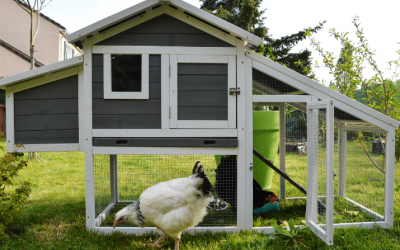
Adding New Chickens Into Your Existing Flock
There will always be a pecking order to newcomers, but adding new chickens correctly over time will help the livelihood of your entire flock!

Are Eggs with Blood Spots Safe to Eat?
Find out if blood spots or meat spots in your fresh eggs are OK to eat.
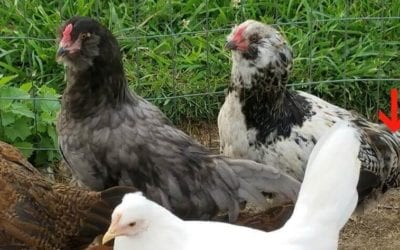
What To Look For in Determining Gender in Young Chickens
Learn what to look for in determining gender in young chickens for your backyard flock! See how to tell by the feathers on the chickens body and determine which are roosters!