
Bald Spots in Day-Old or Young Chicks: Should I Worry?
by Amber G
Published October 6, 2026
Brooding chicks is such a fun and exciting time. As you look over your new flock, the last thing you expect to see is a bald spot on one of the chicks. A few things can cause this. Let’s go over some of the most common causes of bald spots.
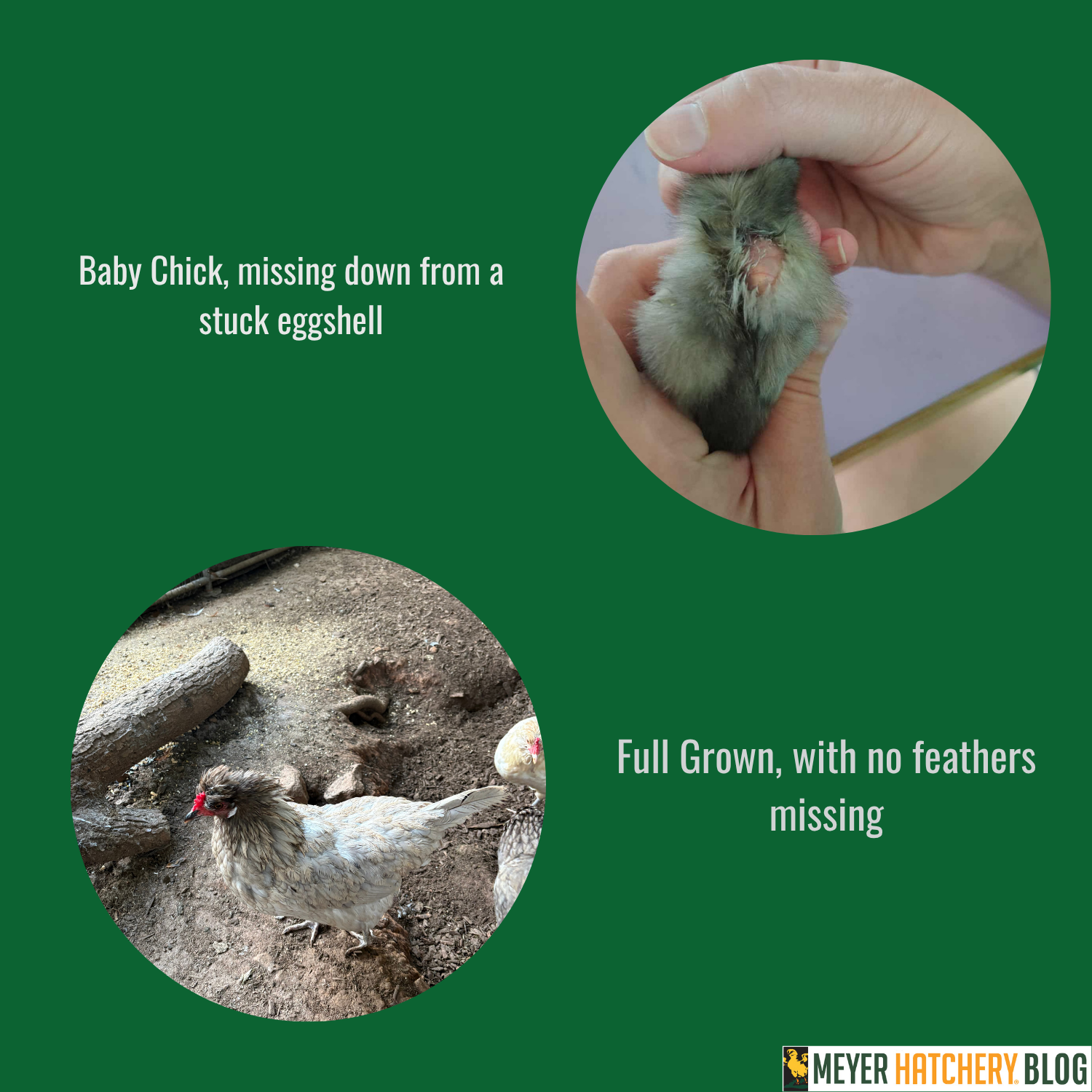
Eggshell:
When chicks first hatch, there is a chance a small piece of their shell may get stuck to their down. When this is removed, it can take a part of the down with it and cause a bald spot. There is no cause for concern, and the adult feathering will still grow in normally.
Pecking/Picking:
When young chicks are kept in the brooder, there isn’t a lot of room to roam or things to keep them occupied. Oftentimes, picking or pecking can occur because of this and can create bald spots on your young chicks. Adding in some small perches, a mirror, or other boredom busters can help to curb the picking. You also want to ensure you have enough space for the number of chicks you have. Overcrowding can cause feather or down picking as well.
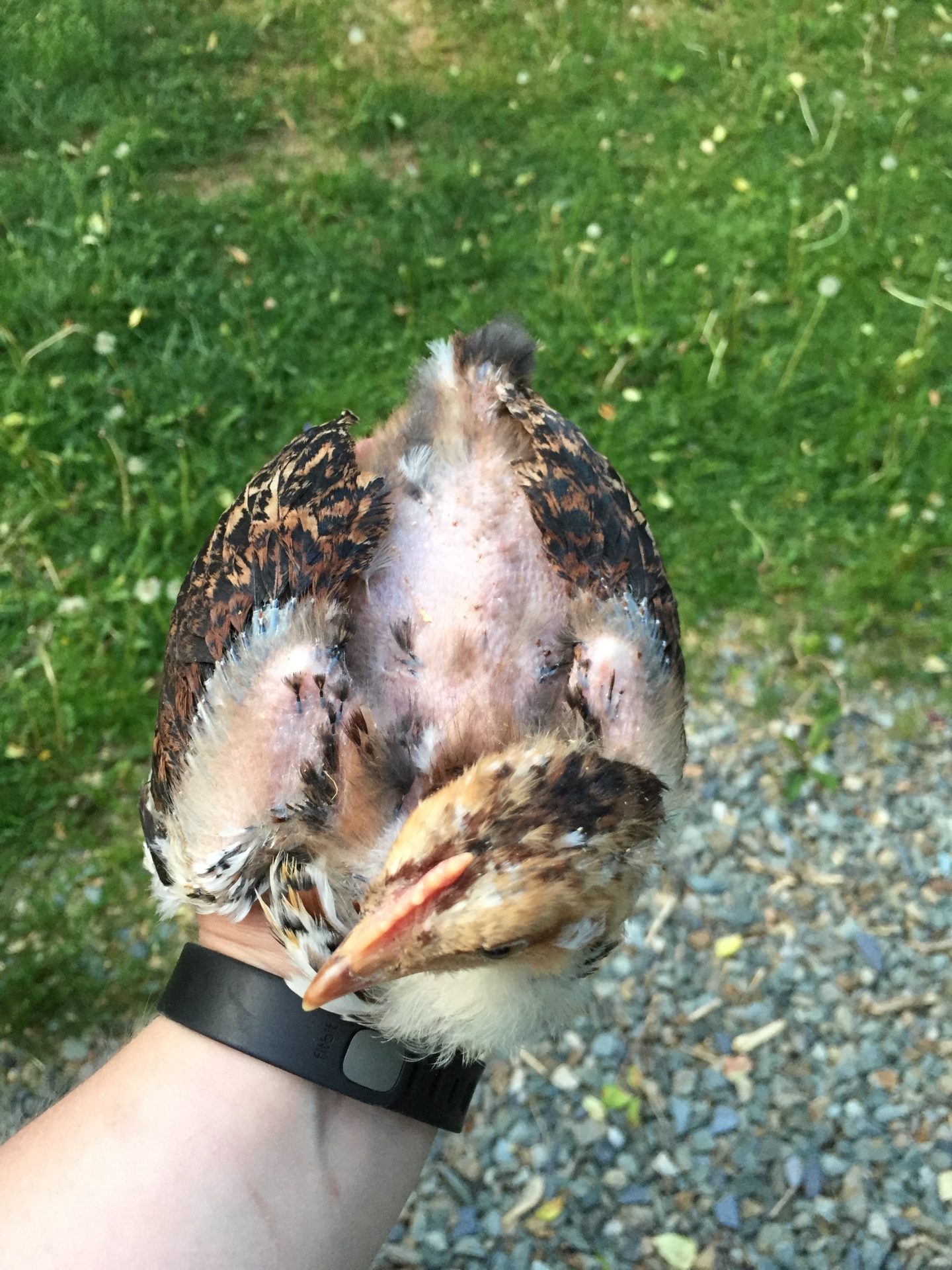
Shedding Down:
As chicks start to grow and their adult feathering is starting to come in, it is very common to notice bald patches on the chicks. This is no cause for concern either, and it is a very normal occurrence. While this may look a little concerning, rest assured, your birds will be looking beautiful very soon!
Poor Quality Feed:
Choosing a high-quality feed for your chicks is very important! Lack of proper protein levels or proper nutrients can delay feather growth and cause some areas to look bald. Ensure you are feeding your chicks properly by checking out our Poultry Feed Guidelines.
Mites/Lice:
It is a lot less likely to experience external parasites when your chicks are in a brooder than when they are raised outdoors. With that being said, if your chicks are experiencing bald spots, checking them over for external parasites is a great idea. If the skin is looking smooth and healthy, odds are there are no mites or lice. If you are seeing redness and irritation, taking a closer look is advised.
Most of the time, bald spots are normal and will clear up on their own, especially in young chicks. Double-checking your space, adding in boredom busters, and giving your birds a close inspection on a regular basis can help to ensure healthy feather growth and happy birds.
Related Posts You Might Like

Keeping Chickens Cool When It’s Hot and Dry
Keep your flock cool and comfortable all summer long with simple, effective strategies. From providing fresh water and shade to improving ventilation and offering frozen treats, these practical tips help maintain healthy, happy chickens—even in the hottest months.

Why Chickens Might Stop Laying in Nesting Boxes
Why are your chickens laying eggs everywhere but the nesting boxes? From stress and overcrowding to cleanliness, parasites, predators, and even seasonal changes, several factors can influence your hens’ behavior. Learn the most common reasons behind misplaced eggs—and simple ways to encourage your flock to lay where they should.

Understanding Labels: Pasture-Raised vs Free-Range vs Cage-Free
Cage-free, free-range, pasture-raised—today’s chicken and egg labels sound promising, but what do they really mean? This post breaks down the key differences between these common labels so you can shop with confidence and choose options that align with your values around animal welfare, nutrition, and sustainability.