
Ammonia Causes & Preventative Measures
by Michelle
Published January 12, 2026
Ammonia is inevitable in poultry or other livestock manure, but preventative measures must be taken to reduce its harmful effects. Ammonia is produced when the nitrogen compounds in manure break down or decompose. The toxicity can damage their respiratory systems, and young chicks are more susceptible than adult birds.

Ammonia Levels Throughout the Year
Ammonia levels in winter or colder temperatures are highest compared to the rest of the year. With less ventilation and more time spent indoors, ammonia gases are trapped, causing concentrations to rise. In warmer temperatures and high humidity, ammonia production increases, but there is more ventilation, allowing the gases to escape.
How To Reduce Ammonia Levels
- Improve Ventilation: Make sure the coop is ventilated year-round. Ventilation high up will allow the ammonia gases to escape. Even in winter, an air-tight coop is not a safe one.
- Learn more about Coop Ventilation.
- Clean the Coop: Keep the coop well-maintained to avoid the buildup of wet manure.
- Add Bedding: Mix in dry bedding to absorb the damp. Opt for absorbent bedding like wood shavings.
- Learn more about the Deep Litter Method.
- Avoid Overcrowding: Keep flock numbers appropriate for the size of your coop to reduce waste accumulation.
- Add Neutralizing Products: Consider using products designed to reduce ammonia and control odors:
Keep Your Coop Healthy
When levels of ammonia are high, it can cause serious damage to a bird’s health and yours. Be sure to maintain a healthy coop. If you can smell it, do something about it! Regular maintenance and proper ventilation will help keep your flock happy and healthy.
Related Posts You Might Like
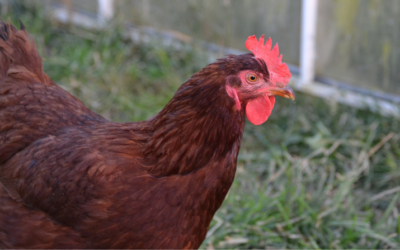
Breed Spotlight: The Rhode Island Red
Marie with Meyer Hatchery writes about a breed that is the core of American homestead poultry history: the Rhode Island Red.
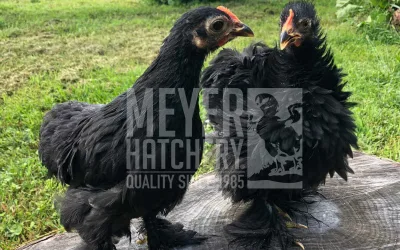
Why Isn’t My Frizzle Chick Frizzled?
The frizzle feathering sometimes found in chickens is a rare occurrence, and therefore highly desired in some breeds. Here is an overview of how the frizzle feather mutation occurs and why not all chicks sold as frizzles will have frizzled feathers.

Why Blue Chicken Breeds May Not Look Blue
Marie with the Meyer Hatchery team talks about why some blue feathered chicken breeds may not always appear blue. They can have black or splash feathers too.