
Ammonia Causes & Preventative Measures
by Michelle
Published January 12, 2026
Ammonia is inevitable in poultry or other livestock manure, but preventative measures must be taken to reduce its harmful effects. Ammonia is produced when the nitrogen compounds in manure break down or decompose. The toxicity can damage their respiratory systems, and young chicks are more susceptible than adult birds.

Ammonia Levels Throughout the Year
Ammonia levels in winter or colder temperatures are highest compared to the rest of the year. With less ventilation and more time spent indoors, ammonia gases are trapped, causing concentrations to rise. In warmer temperatures and high humidity, ammonia production increases, but there is more ventilation, allowing the gases to escape.
How To Reduce Ammonia Levels
- Improve Ventilation: Make sure the coop is ventilated year-round. Ventilation high up will allow the ammonia gases to escape. Even in winter, an air-tight coop is not a safe one.
- Learn more about Coop Ventilation.
- Clean the Coop: Keep the coop well-maintained to avoid the buildup of wet manure.
- Add Bedding: Mix in dry bedding to absorb the damp. Opt for absorbent bedding like wood shavings.
- Learn more about the Deep Litter Method.
- Avoid Overcrowding: Keep flock numbers appropriate for the size of your coop to reduce waste accumulation.
- Add Neutralizing Products: Consider using products designed to reduce ammonia and control odors:
Keep Your Coop Healthy
When levels of ammonia are high, it can cause serious damage to a bird’s health and yours. Be sure to maintain a healthy coop. If you can smell it, do something about it! Regular maintenance and proper ventilation will help keep your flock happy and healthy.
Related Posts You Might Like
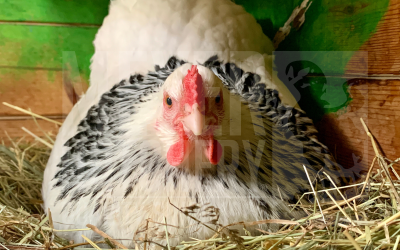
How to Move a Broody Hen Successfully
Learn about the quirks of broody behavior, the difficulties of shared nests, and the art of successfully relocating a committed broody hen.

Comparing Chicken Coop Bedding Materials
Discover the ideal bedding for your chicken coop! From straw to pine shavings, shredded paper to sand, explore the pros and cons of common bedding options. Make informed choices for a cozy, clean, and comfortable space for your feathered friends. Find out which bedding suits your coop and contributes to a happy and healthy environment for your hens.

How to Fix a Muddy Run
A muddy poultry run is a messy inconvenience, a safety issue, and a health risk for your flock. Read our tips for how to fix a muddy run!