
How to Make Compost Tea from Chicken Manure
by Michelle
Published September 8, 2025
When keeping poultry or any animal, we have to deal with the manure. Luckily, if you have a garden, you can compost it to use as a soil amendment or make Compost Tea. Compost provides essential nutrients for plant growth, like nitrogen, phosphorus, and potassium. Just like tea you make in the kitchen, a bag of aged manure or compost is seeped into a bucket of water.

Benefits of Compost Tea
Compost Tea acts like a liquid boost of nutrients that are beneficial to plants. It also helps fend off disease and pests by improving a plant’s immune system. As a natural fertilizer, it can:
- Improve Soil Structure
- Promote Beneficial Organisms
- Add extra nutrients to the soil
- Improve Water Retention
- Stimulate Root Growth
- Increase Plant Yield

How to Make Compost Tea?
You can use a burlap bag or an old pillowcase and fill it with a shovel full of compost. Fill a 5-gallon bucket with water about ⅔ full. Be sure to use non-chlorinated water. Set the bag of compost in the water and allow it to seep in a sunny location for 1-2 weeks. Move the bag of compost up and down a couple of times daily to aerate the mixture. Once the brew is a yellowish brown, you can raise the bag to allow it to drain. The leftover compost can be added back to your compost pile and mixed in.
How to Use Compost Tea?
It is recommended to dilute the mixture (1:1 ratio) before applying it to the roots of plants. Compost Tea can be applied every two to four weeks during the growing season to improve plant and soil health.
As the garden season approaches, I hope you can make the most of the aged chicken manure and make some Compost Tea!

Related Posts You Might Like
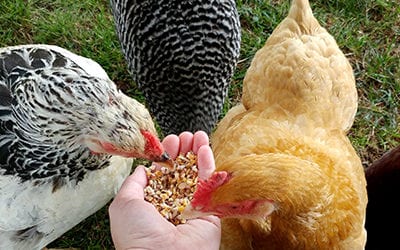
Chicken Keeping on a Budget
It’s no secret that raising your chickens, whether for eggs, meat or both, can be an expensive undertaking. Some of us may have started our chicken-keeping adventure with the thought of saving money on grocery store eggs and/or meat but quickly figured out it is hard to compete with the mass production prices. You may be like me and hesitate to calculate how much you have spent on your flock, for fear of sticker shock!
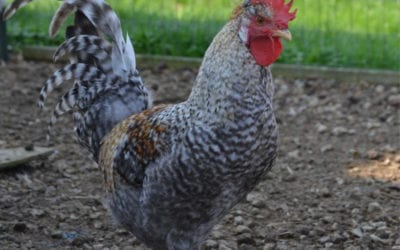
Auto-sexing versus Sex-linked Chicken Breeds
The desire to have as many female chicks as possible is so great that there are specific breeds of chickens that have been bred so that the flock owner or hatchery can determine the gender of day-old chicks more easily. Breeds that are either autosexing breeds or sex-linked hybrid breeds produce chicks that are slightly different colors between the genders at hatch.
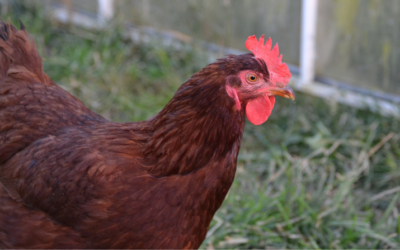
Breed Spotlight: The Rhode Island Red
Marie with Meyer Hatchery writes about a breed that is the core of American homestead poultry history: the Rhode Island Red.