
What Chickens Can and Cannot Eat
by Amber G
Published August 30, 2024
Raising chickens can be such a fun and rewarding experience, but it’s very important to know what they can and can’t have to eat! They make excellent garbage disposals, but you must be careful to avoid certain foods. Just because chickens try to eat everything doesn’t mean they should.

Choosing the Right Feed
When it comes to feed, we always recommend going with a feed designed for the age and type of birds in your flock. Getting them the proper nutrition is important at every stage of a chicken’s life!
Fruits
First, let’s talk about the fruits your chickens will love and that you can give to them without worry! Watermelon, strawberries, blueberries, pumpkins, and blackberries are all great fruits to give your flock. Just be sure to always give treats in moderation, so you don’t end up with any upset tummies!
Veggies and Herbs
Let’s chat veggies! Spinach, broccoli, carrots, swiss chard, cucumbers and squash are just a few great options to share with your flock. Herbs are another great snack you can spoil your birds with and are great for their health. Try lavender, mint, oregano, basil, parsley or cilantro. Scratch grains are another wonderful way to treat your birds to a healthy snack!

Variety
Don’t be afraid to give your flock some diversity in their diet, as they will truly appreciate it. Giving your birds treats is a fun way to build connections with them, and can also be a great boredom-buster. As long as you stay away from select foods, you can spoil your flock without worry!
Foods to Avoid
Knowing what you CAN’T feed your chicken is just as important as knowing what you can feel good providing them with. Here are some foods to avoid giving your chickens;
- Chocolate
- Raw or Dried Beans
- Apple Seeds
- Avocado
- Onions
- Moldy Foods
- Green Potato Skins
- Citrus Fruits
- Rhubarb
Vegetables like garlic can cause a strong taste in the eggs, so it’s best to avoid it as well. This is not an all-inclusive list, but it does include some major no-nos. It is best to always double-check before giving your birds a new type of food.
Have any tips or tricks of your own? Feel free to comment below to share your knowledge with others.
Related Posts You Might Like

Choosing a Rooster For Breeding
Choosing the best rooster for your flock is crucial for breeding and protection. Learn how to assess temperament, quality, and quantity to select the ideal rooster. Discover tips on improving genetics and meeting the American Poultry Association’s standards. Whether you’re breeding for show or seeking a reliable guardian for your hens, we have all the details you need.
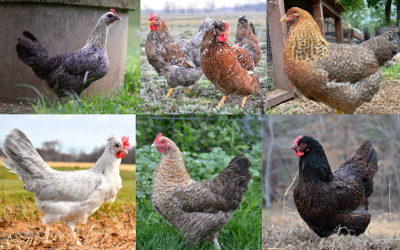
Underappreciated Chicken Breeds
Discover six underappreciated chicken breeds that make fantastic additions to any flock. From the resilient Swedish Flower Hen to the stunning Opal Legbar, explore rare gems that offer unique traits and practical benefits. Learn about their egg production, hardiness, and historical significance. Order early and sign up for back-in-stock notifications on our website.
Finding Food Security Through Homesteading
Discover how raising chickens can provide food security during times of scarcity. Learn about the benefits of chickens for meat, eggs, composting, and bartering. Read about Manda’s journey to find out how these easy-to-raise animals can help you become more self-sufficient.