
Unusual A To Z Chicken Terms To Know
by Meghan H
Published January 17, 2022
Once you have entirely given in to chicken math and have more than about three hens, learning a few basic chicken terms will help you when “talking chicken” with your human friends.
You do still have human friends, right? Good, just checking. I’ve chosen some less common chicken terms in this list so you can sound smart to them.

Avian: anything relating to birds.
Billing out: using the beak to scoop feed out of the feeder and onto the floor.
Cloaca: chamber just inside the vent where the digestive and reproductive tracts come together.
Down: fluff covering a newly hatched chick; also, the fluffy part near the bottom of any feather.
Egg tooth: a tiny hard covering over the tip of a new chick’s beak that is a tool for helping the chick break the eggshell.
Frizzle: feathers that curl instead of lying flat and smooth. Also, a breed of chicken.
Gizzard: organ for grinding up the grain and plant fiber a chicken eats.
Hackles: the pointed feathers around a rooster’s neck. The corresponding feathers on a hen are called the cape and are rounded.
Incubation period: the time it takes for an egg to hatch. 21 days in chickens.
Keel: the breastbone in birds.
Litter: the straw, pine shavings, sand, or other material that is scattered on the coop, run, or brooder floor to absorb moisture.
Muff: feathers sticking out from both sides of the face of such breeds as Ameraucana and Faverolle.
Nest egg: wooden or plastic egg placed in a nest to encourage hens to lay there. Golf balls can also work well.
Oviduct: part of a hen’s reproductive tract; a tube through which an egg travels when it is nearly completed and ready to be laid. The oviduct empties into the cloaca.
Pip: the hole that a hatchling chick makes while beginning the hatching process. Also, the act of making that hole. “The chick has pipped the shell”.
Quarantine: keeping newly-acquired birds isolated from the rest of the flock for a specific period to observe for signs of illness and treat any parasite infestations. An important biosecurity policy to protect your chickens.
Ration: feed or diet consumed by a chicken, usually refers to the feed provided and not what the chicken finds on its own.
Started pullets: young female chickens that are nearly old enough to lay.
Trachea: windpipe, it’s where you will find gapeworms if your chicken has them.
Uropygial gland: large oil gland at the base of the tail of birds providing oil to preen their feathers. You’ll see them wipe their beaks at the base of the tail to get oil on their beaks and then preen their feathers.
Variety: a subdivision of a breed based on feather color, leg feathering, pattern, etc. For example, the Cochin has several color varieties within the breed.
Wry tail: when a chicken’s tail vertebrae are twisted to either side or vertically when compared to the midline of the body.
Xanthophylls: yellow plant pigments from grains and grass that provide pigment to a chicken’s skin, shanks, and the yellow color of egg yolks.
Yolk sac: the membrane that surrounds the yolk in the incubating egg.
Zoonosis: a disease transmissible from an animal to a human.
Related Posts You Might Like

Breed Spotlight: Sasso Broiler
Learn more about Sasso Broiler Chickens from Meyer Hatchery. Learn about their growth, behavior, and meat quality, and why they’re a great alternative to Cornish Cross Broilers for a robust, flavorful meat bird.

Choosing a Rooster For Breeding
Choosing the best rooster for your flock is crucial for breeding and protection. Learn how to assess temperament, quality, and quantity to select the ideal rooster. Discover tips on improving genetics and meeting the American Poultry Association’s standards. Whether you’re breeding for show or seeking a reliable guardian for your hens, we have all the details you need.
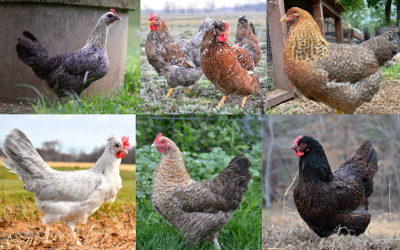
Underappreciated Chicken Breeds
Discover six underappreciated chicken breeds that make fantastic additions to any flock. From the resilient Swedish Flower Hen to the stunning Opal Legbar, explore rare gems that offer unique traits and practical benefits. Learn about their egg production, hardiness, and historical significance. Order early and sign up for back-in-stock notifications on our website.