
Fly Control In The Chicken Coop
by Meghan H
Published August 23, 2021
Controlling the fly population in your chicken coop and run is important for several reasons. Let’s take a look at why you need to keep the flies in check and how you can go about doing that.
Be a Good Chicken-Owning Neighbor
If the fly population gets out of control, they can annoy your family and your neighbors. Keeping flies in check is especially important if you live in a suburban or urban area with neighbors nearby. Letting the fly population explode definitely won’t make you popular with the family or the neighborhood.

Help Fight Parasites in Your Chickens
Flies can serve as an intermediate host for tapeworms. Since there are no approved wormers for use in laying hens that are effective against tapeworms, controlling the intermediate host is important.
Ways To Reduce Flies
The first step in keeping the fly population under control is to keep the chicken manure cleaned up. During the summer months, daily cleaning of the area under the roosting bars may be needed. Remove the manure to an area outside of the coop and run area. You can move it to a composting area where the manure can be mixed with dry material such as the used litter, dry leaves and dried grass clippings. Mixing the high nitrogen manure with dry material will decompose over time to produce great compost for your garden.
Keeping the coop and run dry is also helpful in reducing fly populations. Flies thrive in wet, stinky conditions such as a pile of soggy chicken manure. So keep your coop dry with diatomaceous earth, agricultural lime, clean pine shavings and/or sand on the floor of the coop. Make sure the run area is well drained.
Ventilation is also important in keeping the coop dry. If you have a secure run attached to the coop, try leaving the coop door open to allow for extra ventilation during the hot, humid days.

After you have the coop cleaning regime down, you may need to install some other fly control methods. Disposable fly bait traps, electronic bug zappers, and sticky traps are some of the best ways to help attract and eliminate flies during the height of summer. Be sure to keep the traps out of reach of your chickens, however. You don’t want them coming into direct contact with any of these, especially the electronic zapper or sticky traps.

Herbs
There are several herbs that may be useful as fly repellents that are safe to use around your chickens. Rosemary, mint, basil, dill, lavender, thyme, bay leaves and tansy have all been reported to have fly-repelling properties. Planting the plants near your chicken run (but not directly in the run) may help repel flies. You may also try mixing the essential oils of some of these herbs with water and use as a coop spray to repel flies. Do not spray directly on the chickens.
Tell Us Your Tips
Keeping the fly population in check during the summer months goes a long way in making your chicken-keeping experience a pleasant one, while also keeping your chickens healthy. Do you have any fly control methods not mentioned here? Tell us about it in the comments.
References: https://poultry.extension.org/articles/poultry-health/internal-parasites-of-poultry/
*As an Amazon Affiliate, Meyer Hatchery may earn from qualifying purchases made through links posted on this site.
Related Posts You Might Like

Farmstead Brooding: The Extreme Edition
In this Coop Tour, Amanda and Marie from the Meyer Hatchery CSR Remote Team, shows us Marie’s Extreme Edition Farmstead Brooding inside a high tunnel.
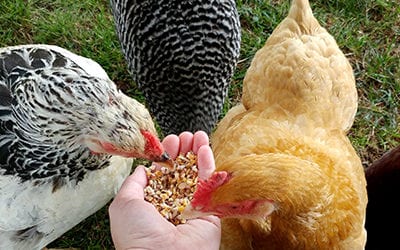
Chicken Keeping on a Budget
It’s no secret that raising your chickens, whether for eggs, meat or both, can be an expensive undertaking. Some of us may have started our chicken-keeping adventure with the thought of saving money on grocery store eggs and/or meat but quickly figured out it is hard to compete with the mass production prices. You may be like me and hesitate to calculate how much you have spent on your flock, for fear of sticker shock!
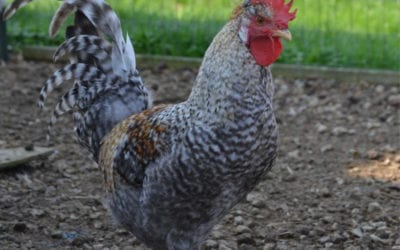
Auto-sexing versus Sex-linked Chicken Breeds
The desire to have as many female chicks as possible is so great that there are specific breeds of chickens that have been bred so that the flock owner or hatchery can determine the gender of day-old chicks more easily. Breeds that are either autosexing breeds or sex-linked hybrid breeds produce chicks that are slightly different colors between the genders at hatch.