
Free Ranging Basics
Allowing your flock of chickens to free range on your property is an excellent way for them to eat a diet with variety, help eliminate any aggression from boredom, keep excess body weight off of your hens, control the tick population, and provide entertainment for you, your family and your hens.

There are a few considerations to keep in mind when free ranging your chickens. First, chickens will roam up to roughly 300 feet in any direction from their coop. If your neighbors’ houses fall within this zone, you may want to have a chat with your neighbors about your desire to let your flock free range. The saying good fences make good neighbors applies here. Keeping your hens behind at least a 4 foot tall fence will deter them from visiting your neighbors when they aren’t invited. For some flocks, a 6 foot tall fence is needed or you’ll need to keep their wings clipped.

Fences also help protect your flock against daytime predators. Although generally nocturnal, foxes, coyotes and raccoons can strike during the day if hungry enough. A sturdy fence will help slow them down when they try to gain access to your flock. However, only fencing with overhead netting attached will deter flying predators such as hawks and owls.
Another thing to keep in mind is that a flock of completely free-ranging chickens will eventually find your landscaping and vegetable gardens. If you value keeping a well manicured garden and flower beds, allowing your flock to completely free range may not work out well for you. They will dust bathe in the mulch and kick it out everywhere, while also digging up your flowers and eating your vegetables. Not to mention that they will inevitably defecate on your porch, patio and sidewalks.

Chickens are fairly smart about not wandering too far away from their food and water. During hot weather, make sure you have plenty of fresh water and shade set up in multiple locations where your flock ranges. When it’s really hot, you want to avoid having them trek a long distance to find a drink or a spot to take a break.
We hope these points are helpful for you when thinking about free ranging your chickens. Keep them safe from predators, away from neighbors who may not enjoy their presence, and make sure they have access to their food, water and shelter and things usually go well for them and you. They will reward you with fantastic eggs and entertainment!
Related Posts You Might Like

Breed Spotlight: Sasso Broiler
Learn more about Sasso Broiler Chickens from Meyer Hatchery. Learn about their growth, behavior, and meat quality, and why they’re a great alternative to Cornish Cross Broilers for a robust, flavorful meat bird.

Choosing a Rooster For Breeding
Choosing the best rooster for your flock is crucial for breeding and protection. Learn how to assess temperament, quality, and quantity to select the ideal rooster. Discover tips on improving genetics and meeting the American Poultry Association’s standards. Whether you’re breeding for show or seeking a reliable guardian for your hens, we have all the details you need.
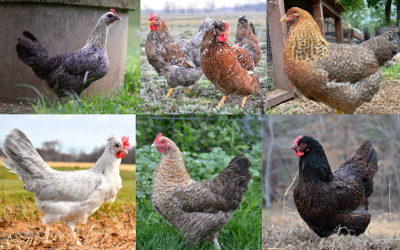
Underappreciated Chicken Breeds
Discover six underappreciated chicken breeds that make fantastic additions to any flock. From the resilient Swedish Flower Hen to the stunning Opal Legbar, explore rare gems that offer unique traits and practical benefits. Learn about their egg production, hardiness, and historical significance. Order early and sign up for back-in-stock notifications on our website.