
High Production Layers Are Top Choices for Small Flock Owners
by Meghan H
Published August 6, 2018
For many small farm owners, having a steady supply of eggs is one of the top reasons for owning a flock of backyard chickens. We want to highlight three of our top-producing layer breeds for you to consider adding to your flock.
Golden Buff
One of the highest-producing layer breeds that we currently raise at Meyer Hatchery is the Golden Buff. This golden red hybrid breed has a very calm, easy-going personality which makes it great for families with small children, and can lay up to 260 eggs per year. The Golden Buff does well in cold and hot climates, doesn’t require as much feed as some other egg-laying breeds, begins laying around 4 months typically, and lays wonderful extra-large brown eggs.

White Leghorn
The White Leghorn is another top egg producer that we work with at Meyer Hatchery. This snow white beauty boasts an impressive 300 eggs per year laying rate. The large, white eggs the White Leghorns lay add a pop of clean color to your egg basket. The White Leghorn likes to free-range, would prefer not to be a “lap chicken” and is really good at foraging for her meals. She does well in hot and cold climates, but in extreme cold, her large single comb may be subject to frostbite, so make sure you protect the combs with petroleum jelly.

Rhode Island Red
Our next egg-laying champion is the Rhode Island Red. She can lay around 200-250 eggs per year and her eggs are a nice, large size and medium brown in color. The Rhode Island Red hen can sometimes become the henhouse bully if kept enclosed in overcrowded conditions, so it’s best if she can be allowed free-range or has a large run for exercise and activity. She has a calm personality, but because she can sometimes be a little dominant, she is a great choice for families with older children or adults who are the primary egg-gatherers.

We hope that you will consider adding some of our star egg-producers to your backyard flock this summer!
Related Posts You Might Like
Let’s Learn: Chicken Egg Anatomy 101
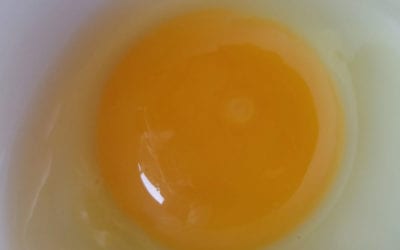
As an Agriculture teacher one of my favorite topics to teach about is poultry. There are so many topics and discussions to cover that I could teach a year round class on poultry alone and would not be able to cover everything. With that being said, I do believe it is important to understand the anatomy of the egg itself.
Auto-sexing versus Sex-linked Chicken Breeds
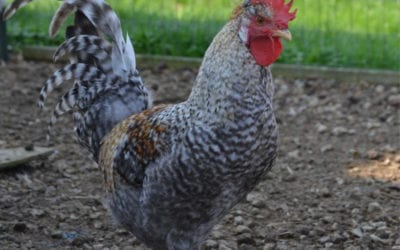
The desire to have as many female chicks as possible is so great that there are specific breeds of chickens that have been bred so that the flock owner or hatchery can determine the gender of day-old chicks more easily. Breeds that are either autosexing breeds or sex-linked hybrid breeds produce chicks that are slightly different colors between the genders at hatch.
Breed Spotlight: The Rhode Island Red
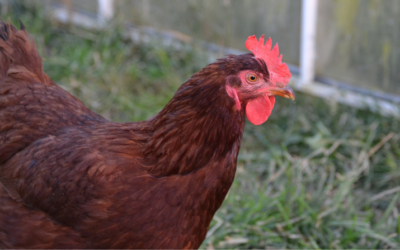
Marie with Meyer Hatchery writes about a breed that is the core of American homestead poultry history: the Rhode Island Red.
As a backyard chicken farmer, I agree that Golden buffs are great, but I like friendly chickens, which knocks out the RI Reds and my customers want brown eggs—good-bye Leghorns. Black Australorps and NH Reds round out my flock. I get lots of large brown eggs from friendly chickens that forage well, look absolutely beautiful and endure the harsh winters with ease. And provide me with a couple clutches of chicks to replace any older hens!
I really need to identify this chick at 4 weeks that I bought from you. I will submit email with pic . Please. Reply
Hi Madge, identifying chicks is not a service Meyer Hatchery is able to provide, so to assist in this, we have created a chick identification tool that will help you out in identifying your chicks. If it’s still tricky, you can wait until they are a bit older and start to get in their feathering. At 4 weeks they may have some distinguishable feathering to help you out. If you do need anything else or have any questions for us, please email our customer service team at info@meyerhatchery.com.