
How to Dye Eggs with Natural Ingredients
by Jess N
Published March 5, 2018
*As an Amazon Affiliate, Meyer Hatchery may earn from qualifying purchases made through links posted on this site.
Who doesn’t love those beautifully colored eggs in the springtime, especially around Easter? Watch our video to learn how on how to dye eggs with natural ingredients, no fizzy tablets needed!
Supplies: 2-3 yellow onion skins (orange), 4 tablespoons turmeric (yellow), 4-5 purple cabbage leaves (blue), and 2-3 cups beets cut up (red) (you can also use a can of sliced beets in juice), white vinegar, table salt, water, kettle (or some way to boil the water), strainer, hard-boiled eggs, and a 4 quart Mason jars or containers.

- To make your egg dye: add 4 tablespoons of white vinegar, 1 teaspoon of salt and your natural ingredients, to a quart Mason jar. Next, add some boiling water to fill up your jar. Repeat with every jar. Allow your jars to sit 12-24 hours. After you have let your jar sit, use a strainer and drain the mason jar, reserving the liquid. Note, when draining the turmeric use a fine mesh strainer. The liquid is now your egg dye!
- Next, put your hard-boiled eggs into the dye and allow them to sit for 12-24 hours in the refrigerator.
- Finally carefully take your hard-boiled eggs out, and set the out to dry on paper towels for 15-20 minutes.
- Display, and enjoy your beautiful creations.
Tip: You can also create a green egg dye by crushing up spinach, and following the instructions above.
Enjoy trying to dye you eggs with natural ingredients!
Happy Spring!
Related Posts You Might Like

Farmstead Brooding: The Extreme Edition
In this Coop Tour, Amanda and Marie from the Meyer Hatchery CSR Remote Team, shows us Marie’s Extreme Edition Farmstead Brooding inside a high tunnel.
Chicken Keeping on a Budget
It’s no secret that raising your chickens, whether for eggs, meat or both, can be an expensive undertaking. Some of us may have started our chicken-keeping adventure with the thought of saving money on grocery store eggs and/or meat but quickly figured out it is hard to compete with the mass production prices. You may be like me and hesitate to calculate how much you have spent on your flock, for fear of sticker shock!
Auto-sexing versus Sex-linked Chicken Breeds
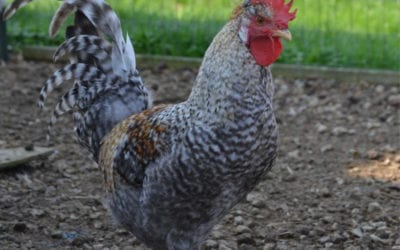
The desire to have as many female chicks as possible is so great that there are specific breeds of chickens that have been bred so that the flock owner or hatchery can determine the gender of day-old chicks more easily. Breeds that are either autosexing breeds or sex-linked hybrid breeds produce chicks that are slightly different colors between the genders at hatch.