
How to Dye Eggs with Natural Ingredients
by Jess N
Published March 5, 2018
*As an Amazon Affiliate, Meyer Hatchery may earn from qualifying purchases made through links posted on this site.
Who doesn’t love those beautifully colored eggs in the springtime, especially around Easter? Watch our video to learn how on how to dye eggs with natural ingredients, no fizzy tablets needed!
Supplies: 2-3 yellow onion skins (orange), 4 tablespoons turmeric (yellow), 4-5 purple cabbage leaves (blue), and 2-3 cups beets cut up (red) (you can also use a can of sliced beets in juice), white vinegar, table salt, water, kettle (or some way to boil the water), strainer, hard-boiled eggs, and a 4 quart Mason jars or containers.

- To make your egg dye: add 4 tablespoons of white vinegar, 1 teaspoon of salt and your natural ingredients, to a quart Mason jar. Next, add some boiling water to fill up your jar. Repeat with every jar. Allow your jars to sit 12-24 hours. After you have let your jar sit, use a strainer and drain the mason jar, reserving the liquid. Note, when draining the turmeric use a fine mesh strainer. The liquid is now your egg dye!
- Next, put your hard-boiled eggs into the dye and allow them to sit for 12-24 hours in the refrigerator.
- Finally carefully take your hard-boiled eggs out, and set the out to dry on paper towels for 15-20 minutes.
- Display, and enjoy your beautiful creations.
Tip: You can also create a green egg dye by crushing up spinach, and following the instructions above.
Enjoy trying to dye you eggs with natural ingredients!
Happy Spring!
Related Posts You Might Like
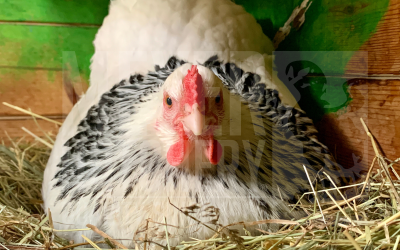
How to Move a Broody Hen Successfully
Learn about the quirks of broody behavior, the difficulties of shared nests, and the art of successfully relocating a committed broody hen.

Comparing Chicken Coop Bedding Materials
Discover the ideal bedding for your chicken coop! From straw to pine shavings, shredded paper to sand, explore the pros and cons of common bedding options. Make informed choices for a cozy, clean, and comfortable space for your feathered friends. Find out which bedding suits your coop and contributes to a happy and healthy environment for your hens.

How to Fix a Muddy Run
A muddy poultry run is a messy inconvenience, a safety issue, and a health risk for your flock. Read our tips for how to fix a muddy run!